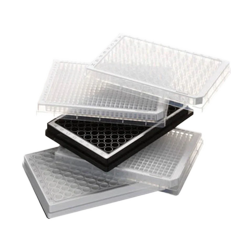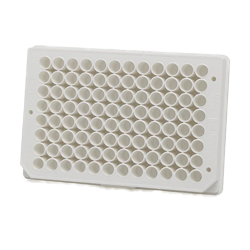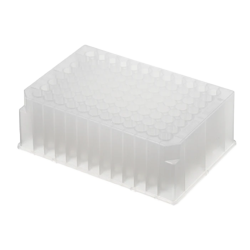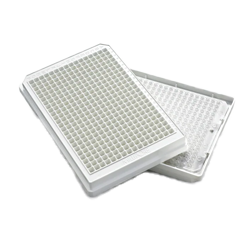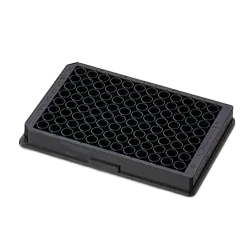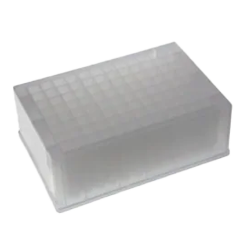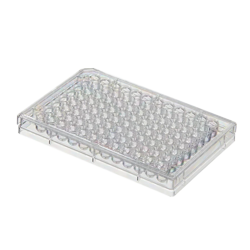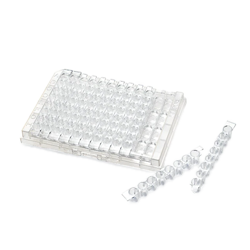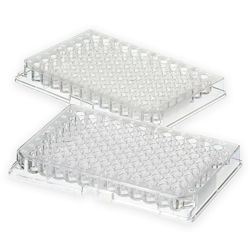
Surface Binding Assay Microplates
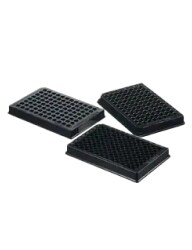
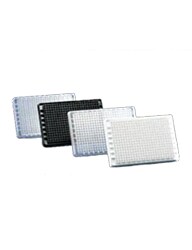
Assay plates with different surface treatments and binding types promote non-specific surface adsorption of antibodies, proteins or other biomolecules for quantitative assays such as ELISA. Choose sterile, non-sterile, flat, U- or V-shaped bottoms, different arrays and colors depending on your need.

Useful Links
Save Now - Exclusive Deals

Product Code 4555271

Product Code 4525218

Product Code 4525233

Product Code 4830335

Product Code 4555268

Product Code 4555267

Product Code 4830833
Product Code 11329163

Product Code 152658

Product Code 10366281
Product Code 8601007

Product Code 10009572
Must Have

Product Code 152852

Product Code 4830835

Product Code 4830454

Product Code 10192781

Product Code 4555270

Product Code 4830986

Product Code 3816208

Product Code 17770698
Complete Your Order - Great Deals

Product Code 4525142

Product Code 4525186

Product Code 4918919
FAQ
Surface binding assay microplates are used for immobilizing biomolecules such as proteins, nucleic acids, or cells to the surface of the wells, enabling various types of assays including ELISA, cell-based assays, protein-protein interaction studies, and nucleic acid hybridization assays.
Different well shapes in surface binding assay microplates are optimized for various methods and applications. Choosing the appropriate well shape ensures optimal performance.
Flat-Bottom Wells: Ideal for absorbance-based assays (e.g., ELISA) and cell culture. Reason: provides a uniform surface for cell attachment and consistent optical path length for absorbance measurements.
Round-Bottom Wells: Suitable for suspension cell culture, mixing, and centrifugation. Reason: facilitates better mixing and pelleting of cells or beads during centrifugation.
V-Bottom Wells: Best for assays requiring efficient sample recovery, such as pelleting cells or beads.
U-Bottom Wells: Commonly used for agglutination assays and certain types of cell culture. Reason: The rounded shape aids in visualizing agglutination and allows cells to settle in a consistent pattern.
When selecting Surface Binding Assay Microplates, consider the following five factors:
1) The surface chemistry of the microplate should be compatible with the biomolecules you intend to bind. Different coatings (e.g., polystyrene, glass, or specialized coatings like streptavidin) offer varying binding affinities for proteins, nucleic acids, or cells.
2) Choose the appropriate well format (e.g., 96-well, 384-well, or 1536-well plates) based on the throughput requirements of your assay.
3) Ensure the microplate has suitable optical clarity and minimal background fluorescence or absorbance for your detection method (e.g., fluorescence, absorbance, or luminescence).
4) Select a microplate with a binding capacity that matches your assay's needs to ensure optimal performance.
5) Verify that the microplate is compatible with the instruments used for detection and analysis in your lab.
Resources and Related Information


Shop By Brand