


Whether a mask is equipped with or without a valve has no influence on the level of protection. The exhalation valve increases comfort by reducing breathing effort and ensuring a more comfortable climate inside the mask. With a valved mask, it is also less likely to fog up eyewear. On the other hand, unvalved masks offer lower unit cost and prevent wearers contaminating the environment.
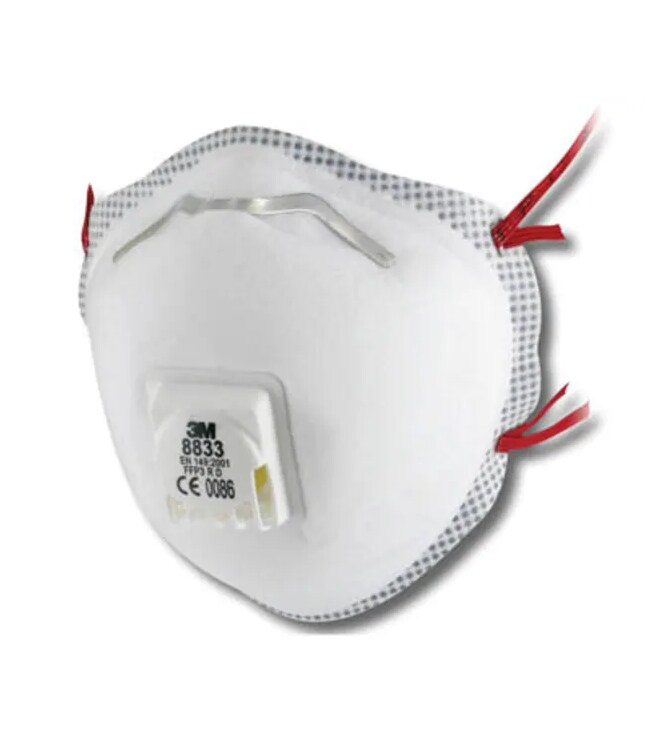
Three Step Guide to Selecting the Right Disposable Respirator
Filtering Face Piece (FFP) Respirators, also called particulate respirators, dust masks or FFP masks, belong to air-purifying respirators and provide reliable protection against particulate pollutants such as dust, smoke and aerosols. As they are relatively lightweight, compact, easy to handle and require little maintenance, they are used for many common applications in sectors such as the automotive industry, agriculture, construction, pharmaceuticals, healthcare, chemicals, and raw materials.
Disposable particulate respirators come with a wide range protection levels, shapes, and styles. Choosing the right respirator is key for optimal protection as respirators are designed for specific hazards. This guide helps you to select a disposable respiratory product best fitted to your application requirements and desired comfort level in three steps.
Step 1: Know Your Hazard and Choose the Right Protection Level
You can find particulate respirators in the three protection levels: FFP1, FFP2, and FFP3. These protection levels indicate the filter efficiency of the mask and are standardized across the European Union according to EN 149:2001+A1:2009.
Step 2: Choose a Respirator with or without an Exhalation Valve

Step 3: Choose a Style and Range of FFP Masks
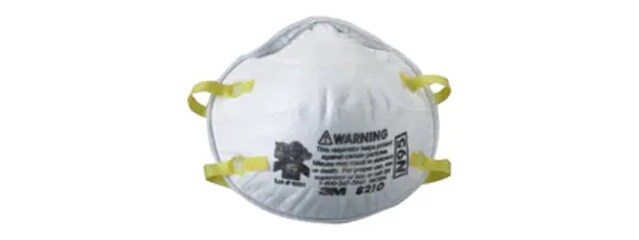
Foldable masks help to save space when folded. However, unfolding and correct adjustment can be complicated and lead to application errors. In contrast, cup-shaped masks are easy to handle, more resistant to deformation than folding masks, and offer more comfort and a secure fit.
Standard ranges offer simple and effective protection for an affordable price, while ranges combine combines enhanced performance with increased comfort. Additional features of premium products include soft face piece sealing rings, valves, adjustable straps, and more. Welding range respirators provide protection from mist, dust, metal fumes, and ozone during welding. There are also speciality respirators that are equipped with an active carbon filter for relief from odors in various applications, from welding to waste sorting.
Use our interactive selector tool to find the respirator you need with ease.