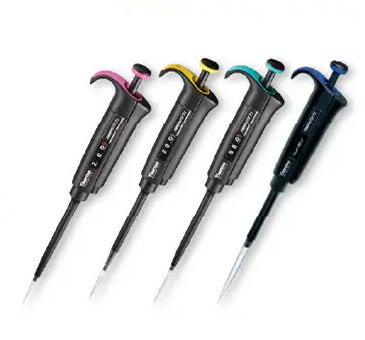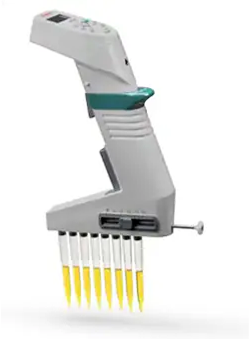
Manual Multichannel Pipettes
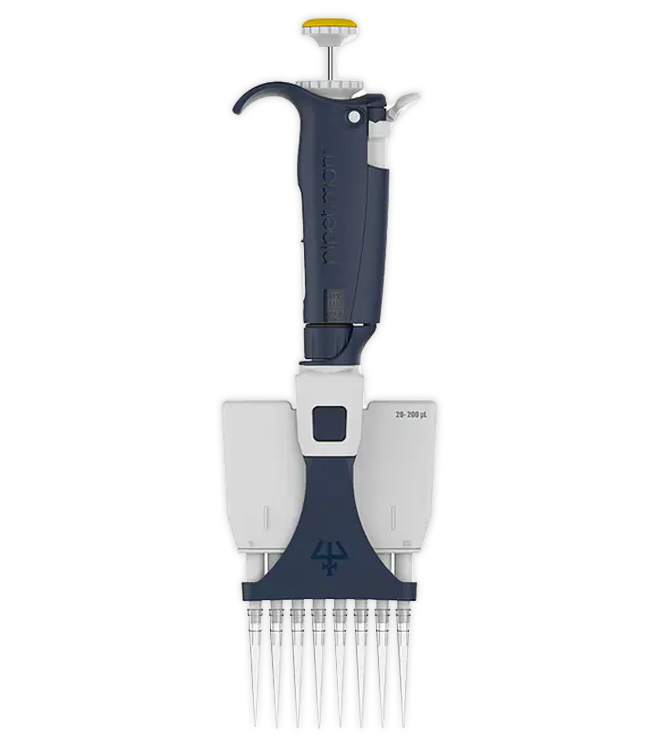
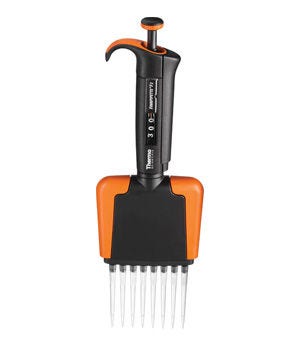
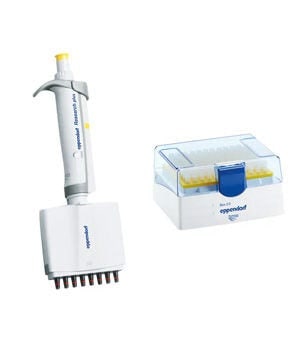
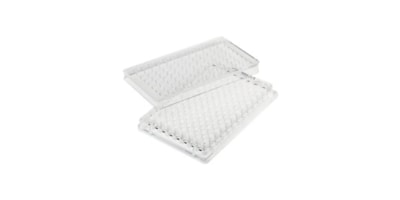
Manual multichannel pipettes help laboratories improve throughput, consistency and ergonomics when transferring liquids across multiple wells simultaneously. The Fisher Scientific channel offers a wide selection of manual multichannel pipettes from trusted manufacturers including Eppendorf, the Thermo Scientific brand, Gilson, Sartorius, the Fisherbrand brand, Corning, Axygen, IKA, Kartell, Heathrow Scientific and Bel Art. Whether performing routine sample preparation, PCR workflows, ELISA assays or microplate applications, users can find reliable solutions designed for precision, durability and user comfort.

Useful Links
Save Now - Exclusive Deals

Product Code 15773469

Product Code 11877381
Product Code 15723479

Product Code 15591925
Product Code 10125483

Product Code 11845772
Product Code 15531935
Product Code 16212401

Product Code 15516314
Product Code 15561925
Product Code 15783469

Product Code 13266828
Product Code 11867381

Product Code 15591935
Product Code 11825772
Complete Your Order - Great Deals

Must Have
Product Code 11897371
Product Code 15703479
Product Code 15531945
Product Code 11847381
Product Code 11815772
Product Code 15596304

Product Code 16457815
Product Code 15586304
Product Code 15571925
Product Code 10305854

Product Code 16407825
Product Code 11885772
Product Code 15506314
Product Code 13406718

Product Code 16684564
FAQ
A manual multichannel pipette allows simultaneous liquid transfer across multiple wells, improving productivity and consistency in microplate-based laboratory workflows such as PCR, ELISA and screening applications.
Manual multichannel pipettes reduce repetitive pipetting steps by dispensing into multiple wells at once, helping laboratories increase throughput while maintaining reproducible results.
The Fisher Scientific channel offers manual multichannel pipettes from the leading Eppendorf, Thermo Scientific, Gilson, Sartorius, Fisherbrand, Corning and Axygen brands.
They are commonly used in life science, clinical research, biotechnology and pharmaceutical laboratories for plate-based liquid handling applications.
Ergonomic designs help reduce hand strain and improve user comfort during repetitive pipetting tasks, supporting productivity and long-term laboratory performance.
Top Brands