missing translation for 'onlineSavingsMsg'
Learn More
Learn More
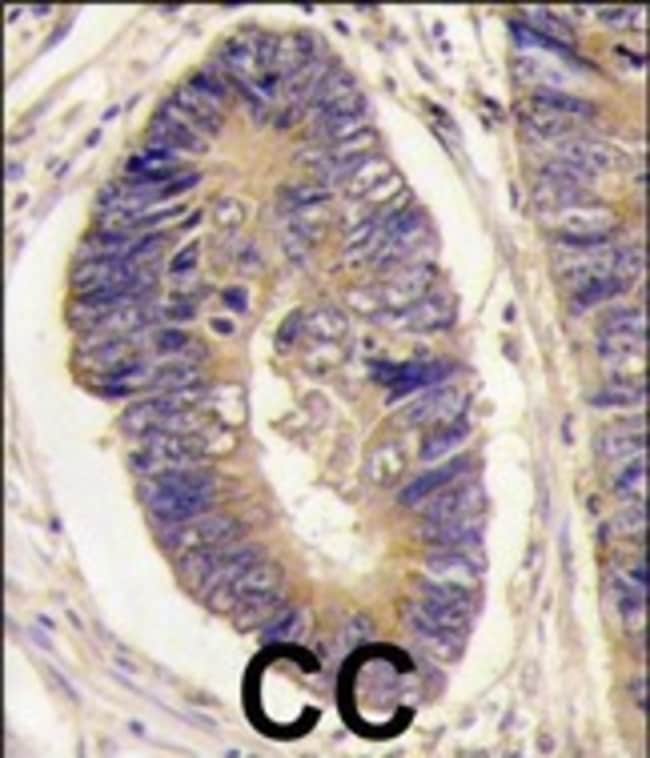
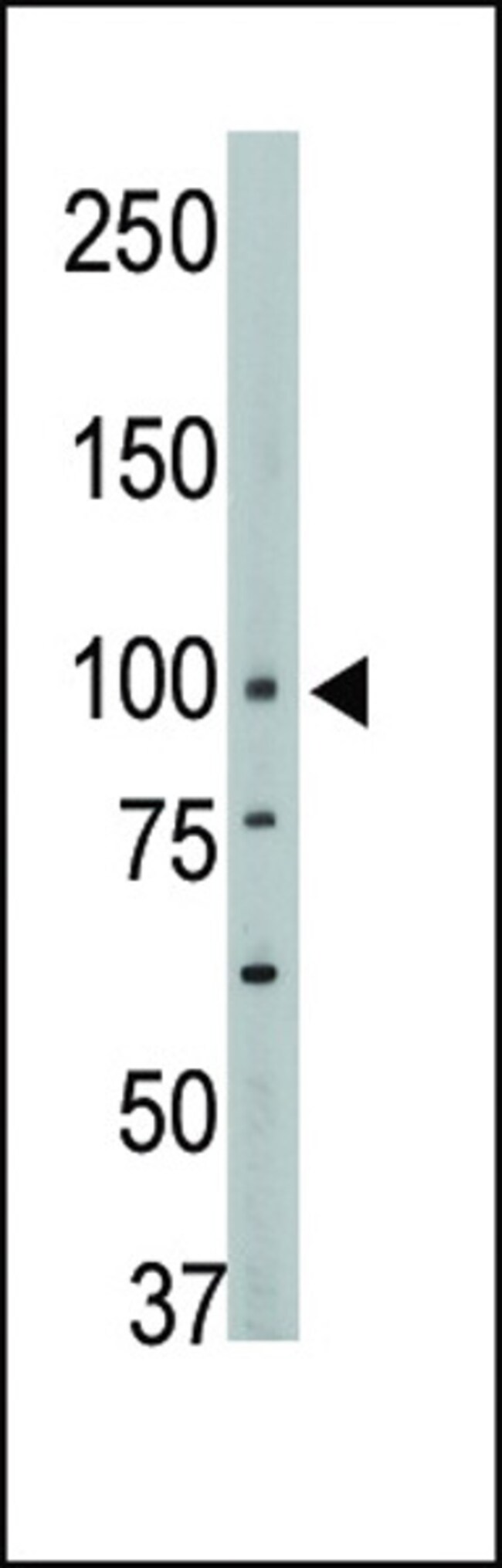
Invitrogen™ PTPN3 Polyclonal Antibody

Description
PTPN3 Polyclonal Antibody for Western Blot, IHC (P)
Phosphorylation of receptors by protein kinases is a process that can be reversed by a group of enzymes called protein phosphatases. Coordinated control of kinases and phosphatases provides the cell with the capacity to rapidly switch between phosphorylated and dephosphorylated protein states in dynamic response to environmental stimuli. Activation of critical enzymes by kinase phosphorylation alone is not enough to provide adequate regulation - it is the combination with phosphatase dephosphorylation that effectively creates on/off switches to control cellular events. Errors in control, either through kinases or their counterpart phosphatases, can lead to unchecked cell growth attributable to human cancers and developmental disorders. Potential mechanisms to control dephosphorylation include changes in the expression of protein phosphatases, their subcellular localization, phosphorylation of phosphatase catalytic and regulatory subunits and regulation by endogenous phosphatase inhibitors. Most protein phosphatases are not stringently specific for their substrates. Consequently, changes in phosphatase activity may have a broad impact on dephosphorylation and turnover of phosphoproteins that are substrates for different kinases. This may be an important point of control to connect cellular circuitry of interrelated signaling pathways, and to synchronize physiological responses.

Specifications
Specifications
| Antigen | PTPN3 |
| Applications | Immunohistochemistry (Paraffin), Western Blot |
| Classification | Polyclonal |
| Concentration | 1.8 mg/mL |
| Conjugate | Unconjugated |
| Formulation | PBS with 0.09% sodium azide; pH 7.4 |
| Gene | PTPN3 |
| Gene Accession No. | A2ALK8, P26045 |
| Gene Alias | 9530011I20Rik; cytoskeletal-associated protein tyrosine phosphatase; protein tyrosine phosphatase, non-receptor type 3; protein-tyrosine phosphatase H1; PTPCL; PTPH1; PTP-H1; Ptpn3; Tyrosine-protein phosphatase non-receptor type 3 |
| Gene Symbols | PTPN3 |
| Show More |
Product Title
By clicking Submit, you acknowledge that you may be contacted by Fisher Scientific in regards to the feedback you have provided in this form. We will not share your information for any other purposes. All contact information provided shall also be maintained in accordance with our Privacy Policy.
Spot an opportunity for improvement?