missing translation for 'onlineSavingsMsg'
Learn More
Learn More
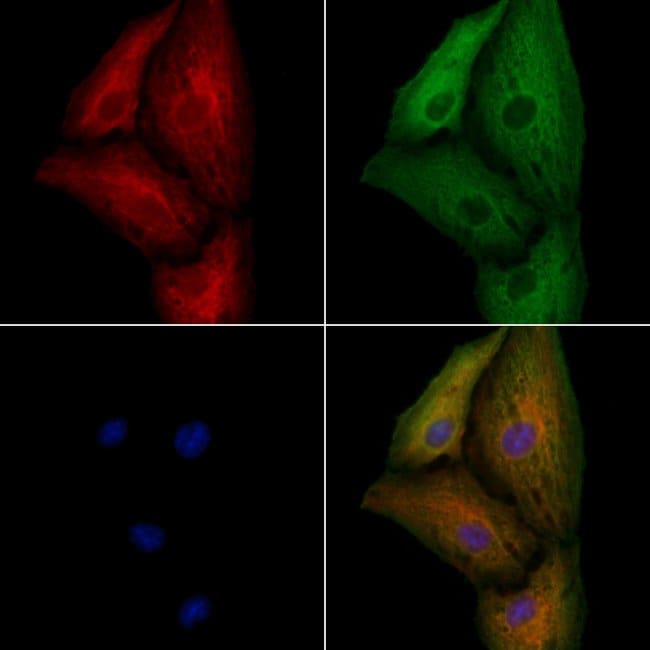
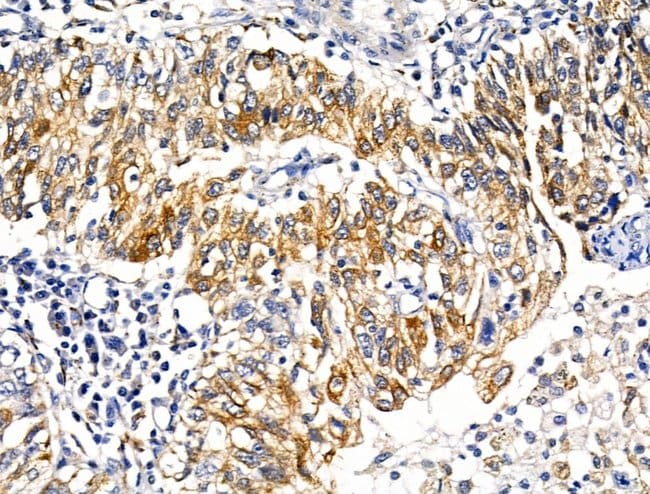
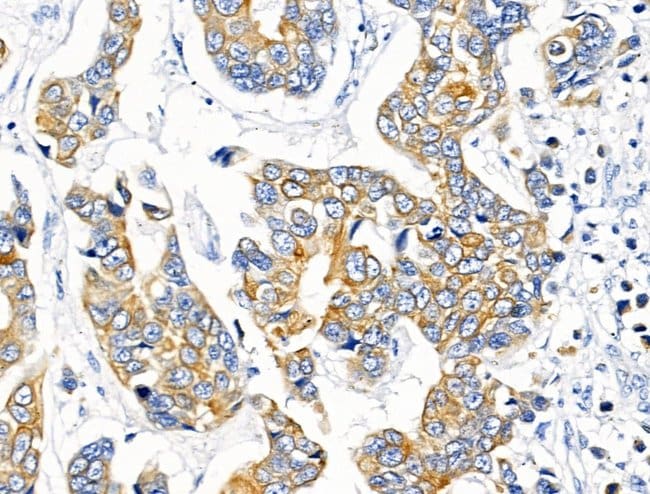
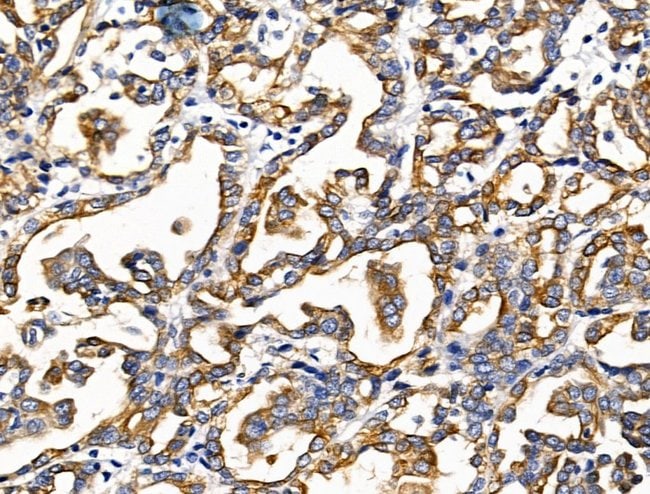
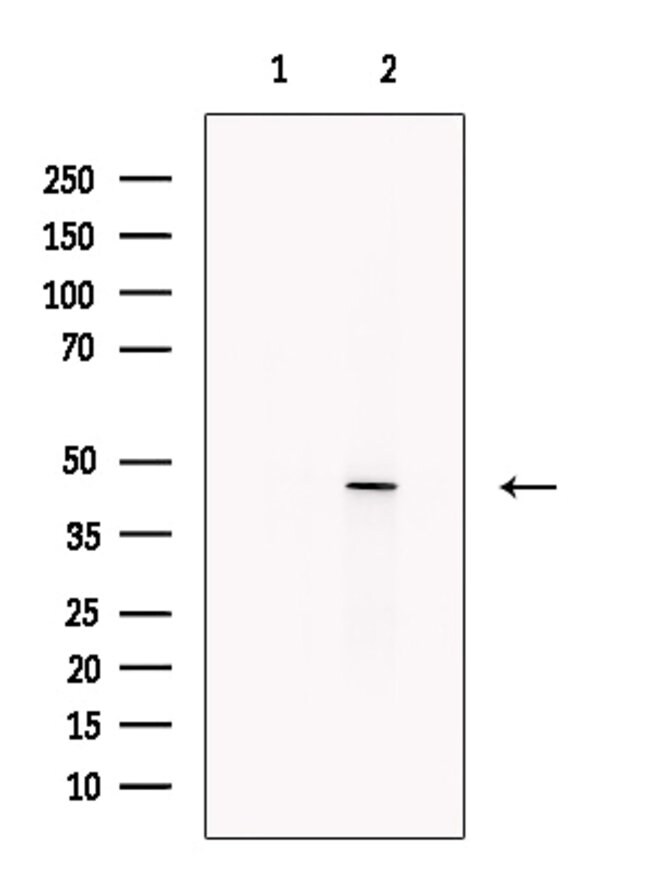
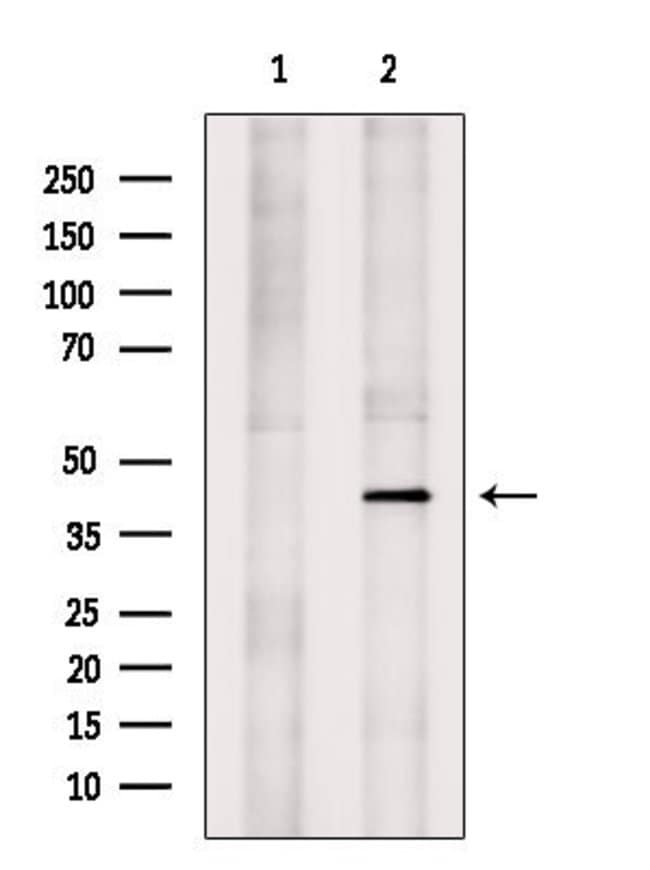

Description
Antibody detects endogenous levels of total KCNK9.
KCNK9 is one of the members of the superfamily of potassium channel proteins containing two pore-forming P domains. This open channel is highly expressed in the cerebellum. It is inhibited by extracellular acidification and arachidonic acid, and strongly inhibited by phorbol 12-myristate 13-acetate.This gene encodes one of the members of the superfamily of potassium channel proteins containing two pore-forming P domains. This open channel is highly expressed in the cerebellum. It is inhibited by extracellular acidification and arachidonic acid, and strongly inhibited by phorbol 12-myristate 13-acetate.

Specifications
Specifications
| Antigen | KCNK9 |
| Applications | Immunohistochemistry (Paraffin), Western Blot, Immunocytochemistry |
| Classification | Polyclonal |
| Concentration | 1 mg/mL |
| Conjugate | Unconjugated |
| Formulation | PBS with 50% glycerol and 0.02% sodium azide |
| Gene | Kcnk9 |
| Gene Accession No. | Q3LS21, Q9ES08, Q9NPC2 |
| Gene Alias | Acid-sensitive potassium channel protein TASK-3; K2p9.1; Kcnk9; KT3.2; MGC138268; MGC138270; Potassium channel subfamily K member 9; potassium channel subfamily K member 9 (Task-3); potassium channel TASK3; potassium channel, subfamily K, member 9; potassium channel, subfamily K, member 9 (Task-3); potassium channel, two pore domain subfamily K, member 9; potassium two pore domain channel subfamily K member 9; TASK3; TASK-3; TWIK-related acid-sensitive K(+) channel 3; two pore K(+) channel KT3.2; Two pore potassium channel KT3.2 |
| Gene Symbols | Kcnk9 |
| Show More |
Product Title
By clicking Submit, you acknowledge that you may be contacted by Fisher Scientific in regards to the feedback you have provided in this form. We will not share your information for any other purposes. All contact information provided shall also be maintained in accordance with our Privacy Policy.
Spot an opportunity for improvement?