missing translation for 'onlineSavingsMsg'
Learn More
Learn More
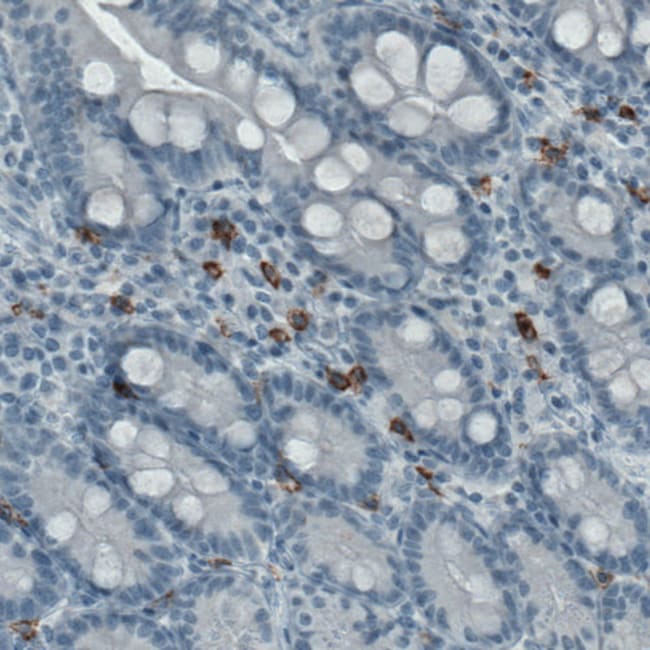
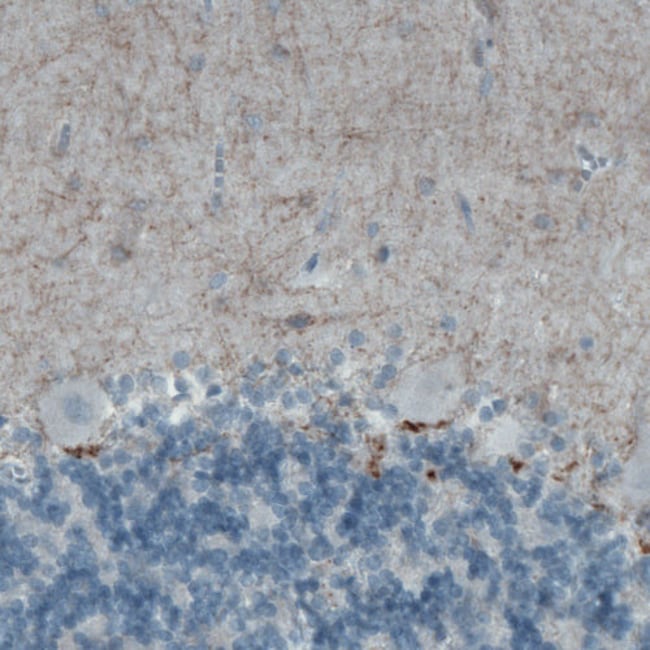
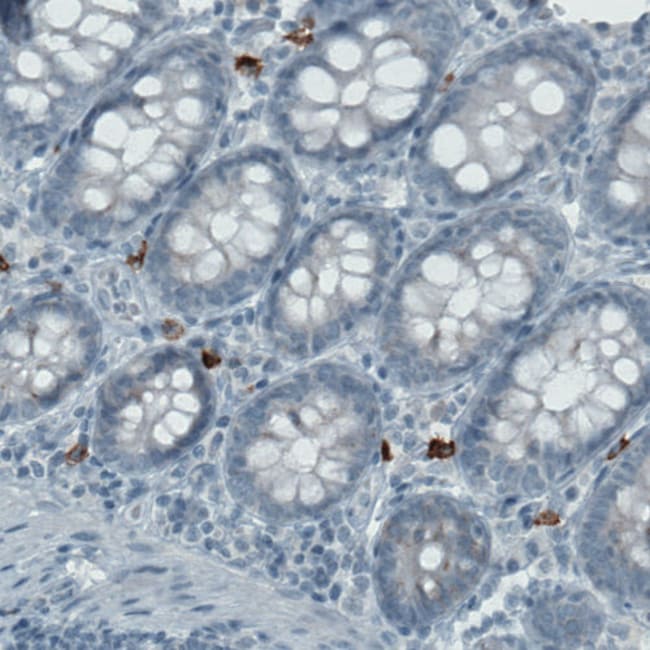
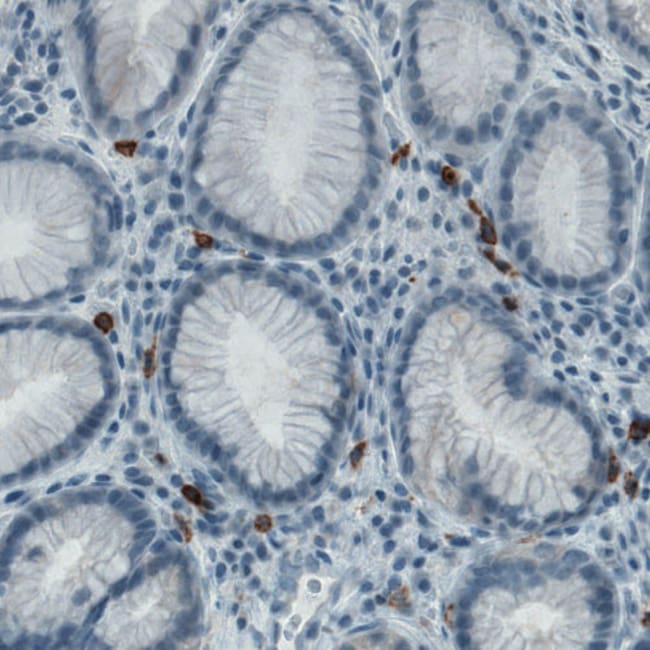
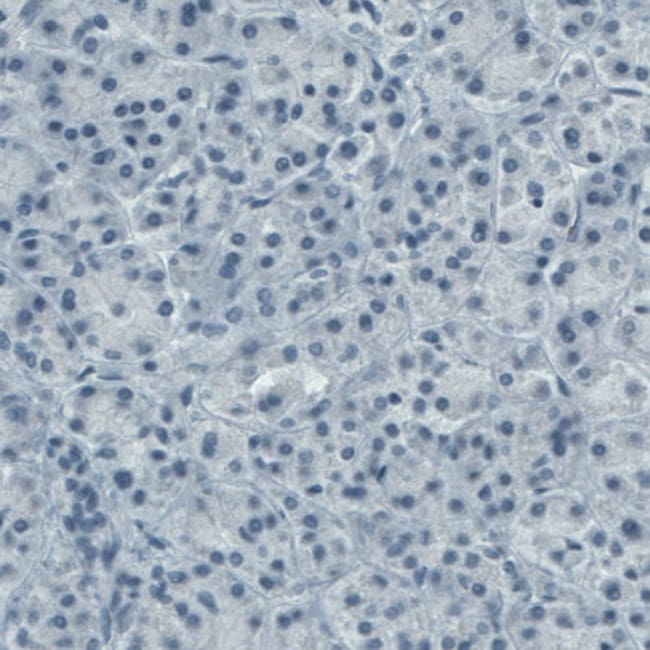
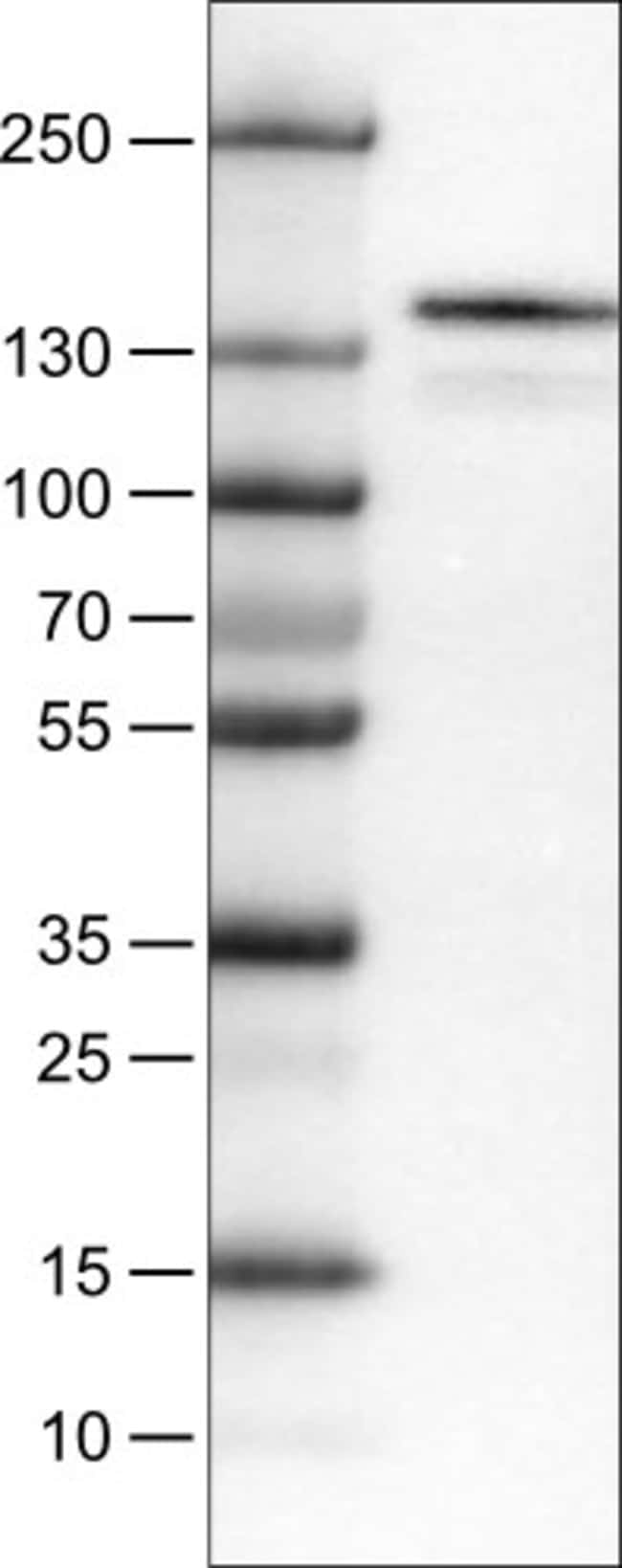
Invitrogen™ c-Kit Monoclonal Antibody (CL1657)

Description
Immunogen sequence: VGDEIRLLCT DPGFVKWTFE ILDETNENKQ NEWITEKAEA TNTGKYTCTN KHGLSNSIYV FVRDPAKLFL VDRSLYGKED NDTLVRCPLT DPEVTNYSLK GCQGKPLPKD LRFIPDPKAG IMIKSVKRAY HRLCLHCSVD Q Highest antigen sequence indentity to the following orthologs: Mouse - 66%, Rat - 72%.
KIT (c-KIT) is a proto-oncogene and a type 3 transmembrane receptor for MGF (mast cell growth factor, also known as stem cell factor). KIT was first identified as the cellular homolog of the feline sarcoma viral oncogene v-kit. KIT together with its ligand regulates growth and activation of a variety of hemopoietic and non-hemopoietic cells. Mutations in KIT are associated with gastrointestinal stromal tumors, mast cell disease, acute myelogenous leukemia, and piebaldism. Recently, deregulation of the KIT receptor TK by the prevalent activation loop mutation D816V has served as a focal point in therapeutic strategies aimed at curbing neoplastic mast cell growth. c-Kit is expressed in hematopoietic stem cells, germ cells, mast cells and gastrointestinal tract cajal cells. Upon binding of its ligand stem cell factor (SCF), c-kit dimerizes, resulting in receptor activation and autophosphorylation of various tyrosine residues including tyrosine 703 located on the cytoplasmic domain of the receptor. This modification allows docking of Grb2 and activation of the Ras/ERK signaling pathway. SCF/c-kit can activate multiple downstream signaling pathways including PI3K, PLC-gamma and JAK/STAT. c-kit receptor activation is essential for hematopoiesis, stem cell maintenance and gametogenesis.

Specifications
Specifications
| Antigen | c-Kit |
| Applications | Immunohistochemistry (Paraffin), Western Blot |
| Classification | Monoclonal |
| Clone | CL1657 |
| Concentration | 1.0 mg/mL |
| Conjugate | Unconjugated |
| Formulation | PBS with 40% glycerol and 0.02% sodium azide; pH 7.2 |
| Gene | KIT |
| Gene Accession No. | P10721 |
| Gene Alias | belly-spot; Bs; CD117; ckit; C-Kit; c-KIT gene1; c-kit protein; c-kit proto-oncogene protein; c-kit receptor; c-kit receptor tyrosine kinase; dominant spotting; Dominant white spotting; Fdc; Gsfsco1; Gsfsco5; Gsfsow3; KIT; kit oncogene; KIT proto-oncogene receptor tyrosine kinase; KIT proto-oncogene, receptor tyrosine kinase; mast cell growth factor receptor; mast/stem cell growth factor receptor; mast/stem cell growth factor receptor Kit; MGF; p145 c-kit; PBT; Piebald trait protein; protein kinase; proto-oncogene c-Kit; proto-oncogene tyrosine-protein kinase Kit; receptor tyrosine kinase c-kit; receptor tyrosine kinase type III; SCFR; SCO1; SCO5; Sl; soluble KIT variant 1; SOW3; spotted sterile male; Ssm; Steel Factor Receptor; Tr-kit; tyrosine kinase receptor; tyrosine kinase receptor c-KIT; tyrosine-protein kinase Kit; v-kit Hardy-Zuckerman 4 feline sarcoma viral oncogene homolog; v-kit Hardy-Zuckerman 4 feline sarcoma viral oncogene-like protein; W |
| Show More |
Product Title
By clicking Submit, you acknowledge that you may be contacted by Fisher Scientific in regards to the feedback you have provided in this form. We will not share your information for any other purposes. All contact information provided shall also be maintained in accordance with our Privacy Policy.
Spot an opportunity for improvement?