Filter Units
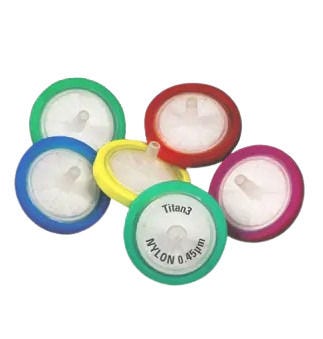
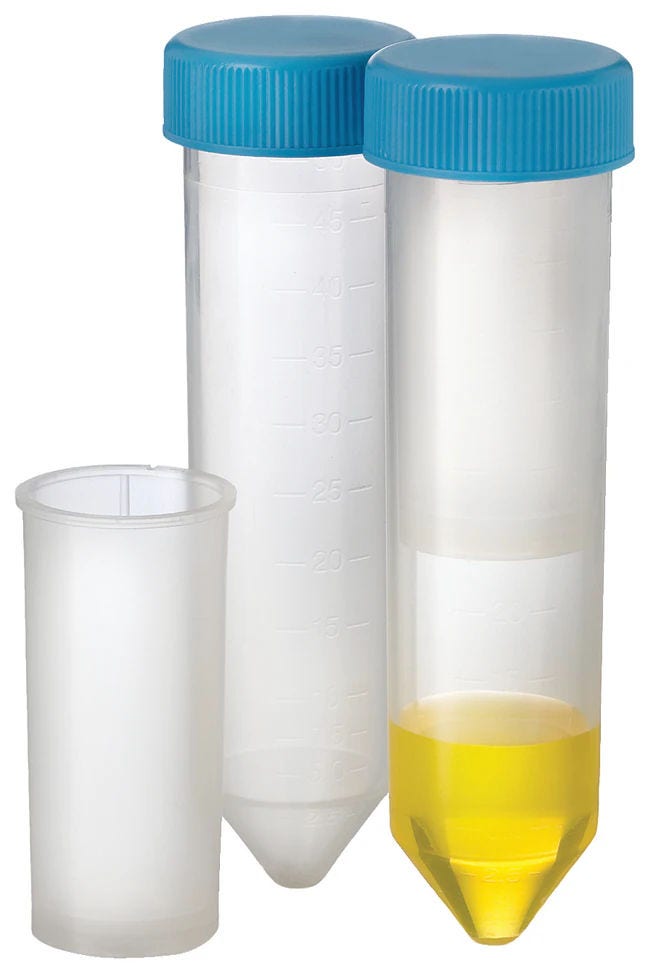
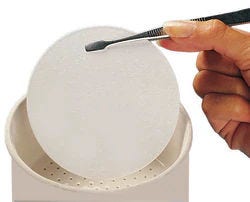
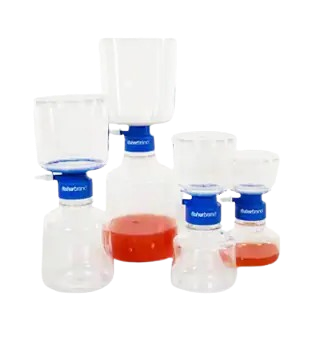
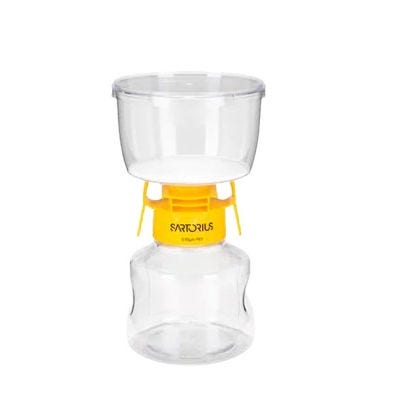
Our range of filter devices, funnels, and accessories for vacuum filtration are usually used in media preparation. They can be disposable, glass or plastic, and can include a membrane.


Useful Links
Save Now - Exclusive Deals

Product Code 4231972


Product Code 4304123

Product Code 4304119

Product Code 10188611

Product Code 8012737


Product Code 7237798
Must Have

Product Code 4187735

Product Code 11630029

Product Code 4231974

Product Code 15817531


Product Code 9023003

Product Code 8007452

Product Code 7214261
Complete Your Order - Great Deals
FAQ
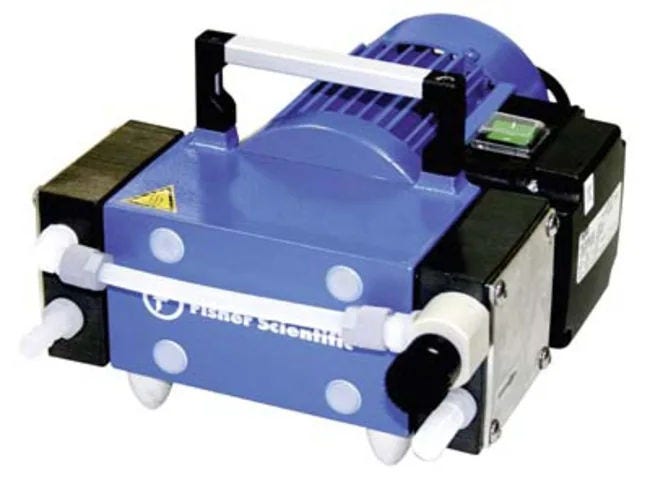
Vacuum Filter Units use vacuum pressure to draw liquid through a filter membrane into a collection vessel, ideal for filtering larger volumes quickly.
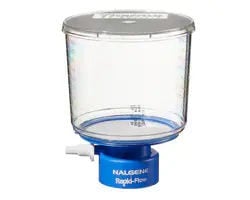
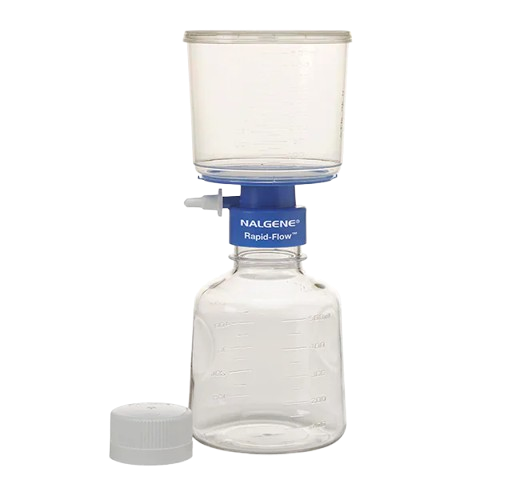
Bottle-top Filter Units screw directly onto collection bottles, often incorporating a filter membrane and funnel, and can also be used with vacuum for faster filtration, though small volumes can be filtered via gravity as well.
Use a Vacuum Filter Unit when:
- Filtering large volumes (commonly 250 mL to several liters)
- Rapid filtration is required
- Working with viscous or particulate-heavy solutions
Use a Bottle-top Filter Unit when:
- Convenience and sterility are priorities
- Medium to large volumes (typically 150 mL to 1000 mL) need filtering directly into a storage bottle
- Working in cell culture, media preparation, or buffer sterilization
Most units are supplied pre-sterilized, especially those intended for biological or
pharmaceutical use. Always check the packaging for sterilization status. If sterility is required and the unit is not pre-sterilized, you must autoclave or otherwise sterilize the filter housing and membrane before use, provided the materials are compatible.
Standard Pore Sizes:
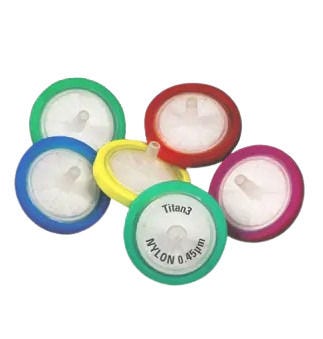
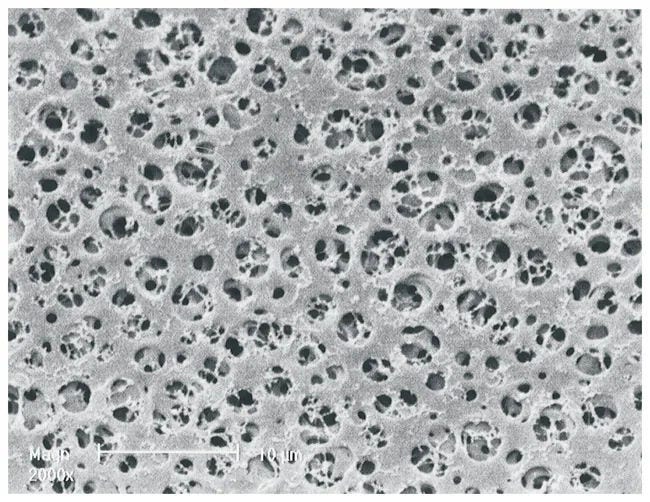
- 0.2 μm: Sterilization of liquids (bacteria removal)
- 0.45 μm: General filtration, particle removal
- 1.0 - 5.0 μm: Prefiltration to extend the life of finer filters
Choosing a pore size depends on your application:
- Cell culture media: Typically 0.2 μm
- Clarifying aqueous solutions: 0.45 μm
- Prefiltration of dirty samples: 1.0 μm or larger
Single-use plastic units (common in bottle-top and vacuum filter systems) are designed for one-time use to maintain sterility and performance.
Reusable filter units made from glass, stainless steel, or autoclavable plastics are available but require proper cleaning and sterilization between uses. Always consult the manufacturer's guidelines regarding reuse, as filter membranes themselves are typically single-use.
Shop By Brand