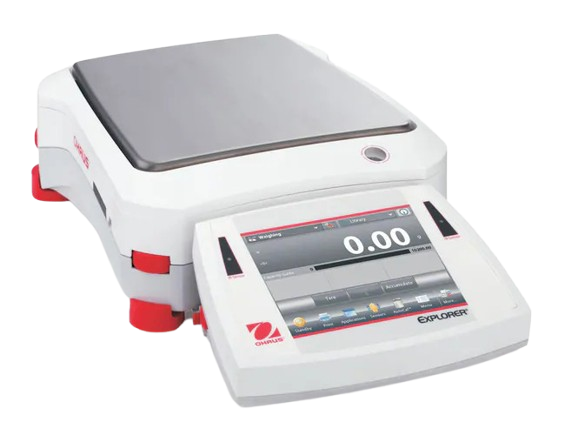
Electronic Top-loading Balances
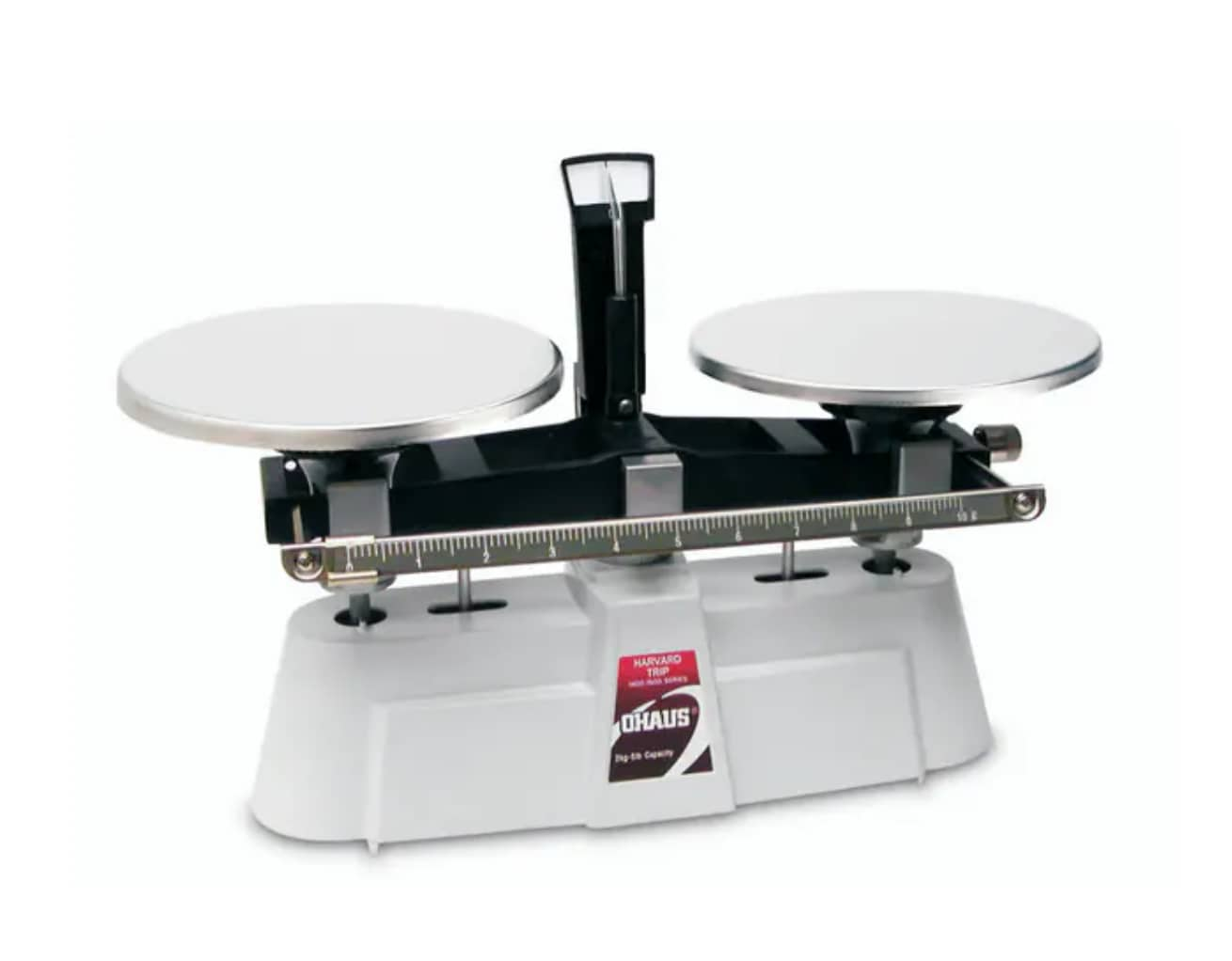
With a higher capacity than analytical balances, toploading and high capacity balances are designed to weigh quantities from the greater than 200g to many kilograms.
Useful Links
Save Now - Exclusive Deals

Product Code 15959345

Product Code 16394728
Product Code 15989345

Product Code 17278770
Product Code 15979345
Product Code 16334718

Product Code 17267840
Complete Your Order - Great Deals

Must Have

Product Code 16329655

Product Code 11854411
Product Code 16354748

Product Code 10023351
Product Code 16334758

Product Code 15549621
Product Code 15999345

Product Code 15519631
Product Code 16304698
FAQ
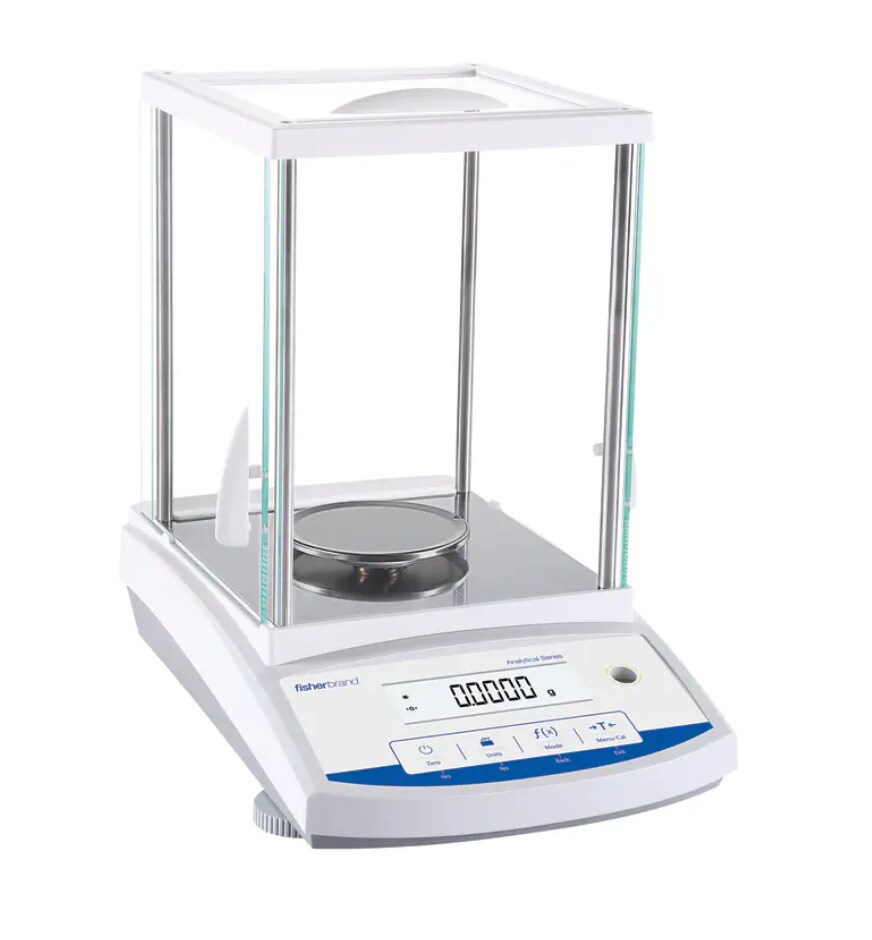
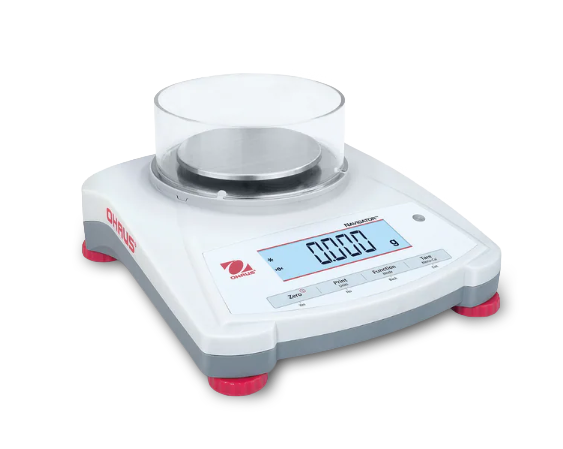
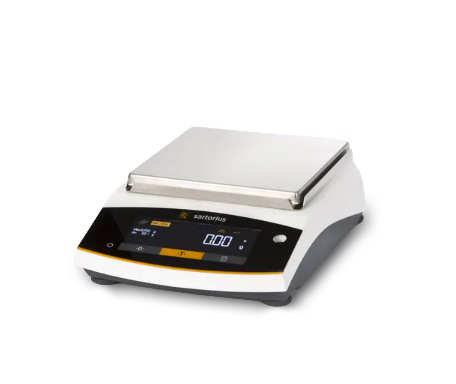
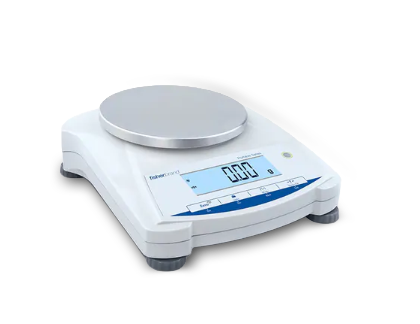
An electronic toploading balance is a precision weighing instrument designed for medium - to high-capacity samples, typically offering readability from 0.001 g to 0.1 g.
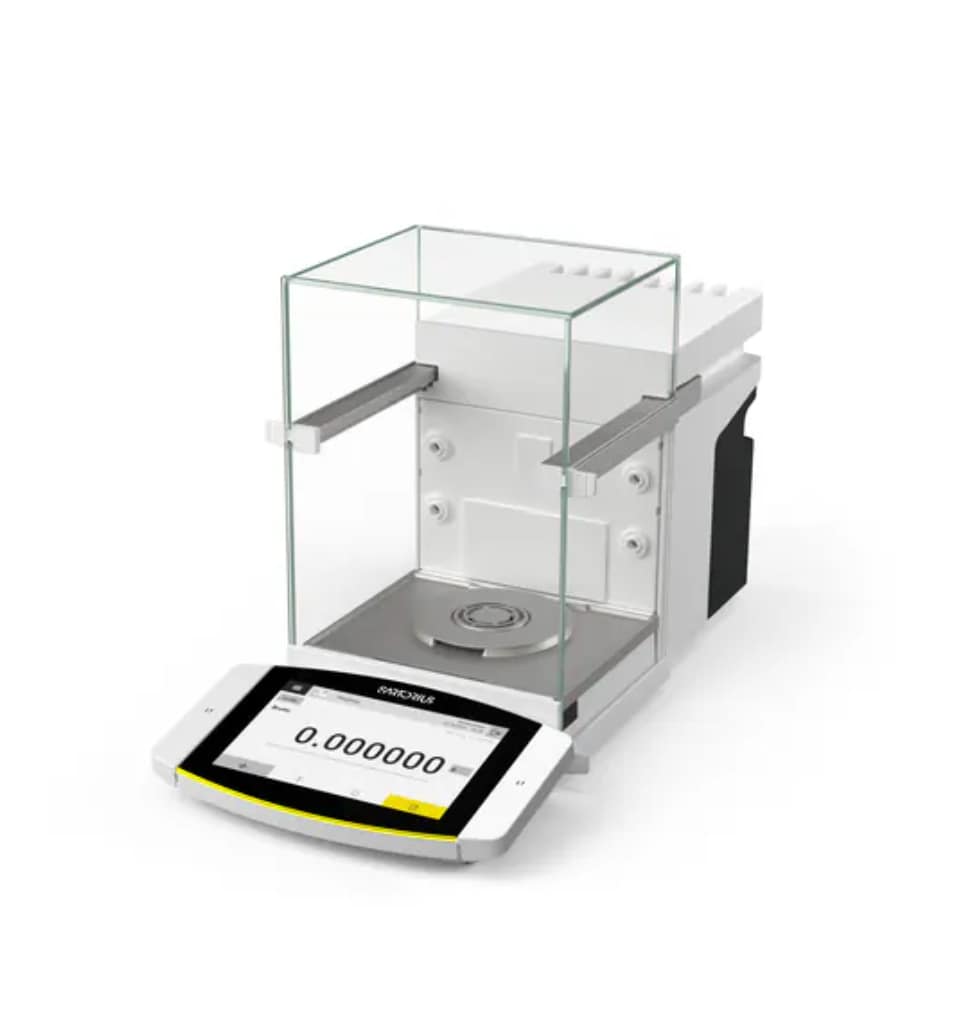
Unlike an analytical balance with a full draft shield and microgram readability, a toploading balance features an open, robust weighing pan that allows rapid loading of bulk materials, larger containers, and routine production samples.
Electronic toploading balances are ideal for:
- Formulation and compounding in R&D and QC labs
- Production and warehouse weighing where speed and capacity are critical
- Sample prep and general lab weighing when milligram-level resolution is sufficient
They offer a practical combination between capacity, robustness, and accuracy, making them the workhorse devices for many lab and industrial environments.
Key specs determine whether a balance will meet your accuracy and throughput requirements:
- Readability and capacity: Defines the smallest detectable mass and maximum load (e.g., 0.001 g readability up to several kg capacity).
- Repeatability and linearity: Indicate how consistently and accurately results are reproduced across the weighing range; critical for regulated QC work.
- Stabilization time: Faster stabilization improves throughput and productivity in busy labs.
- Temperature compensation and drift control: Electronic compensation and automatic internal calibration help maintain accuracy in changing environments.
- Weighing applications: Built-in functions such as piece counting, percentage weighing, checkweighing, density determination, and statistics streamline routine tasks.
Evaluating these parameters ensures the balance can deliver reliable, traceable results for your specific weighing workflows.
Modern electronic toploading balances incorporate both hardware and software features to support regulated environments and intensive use:
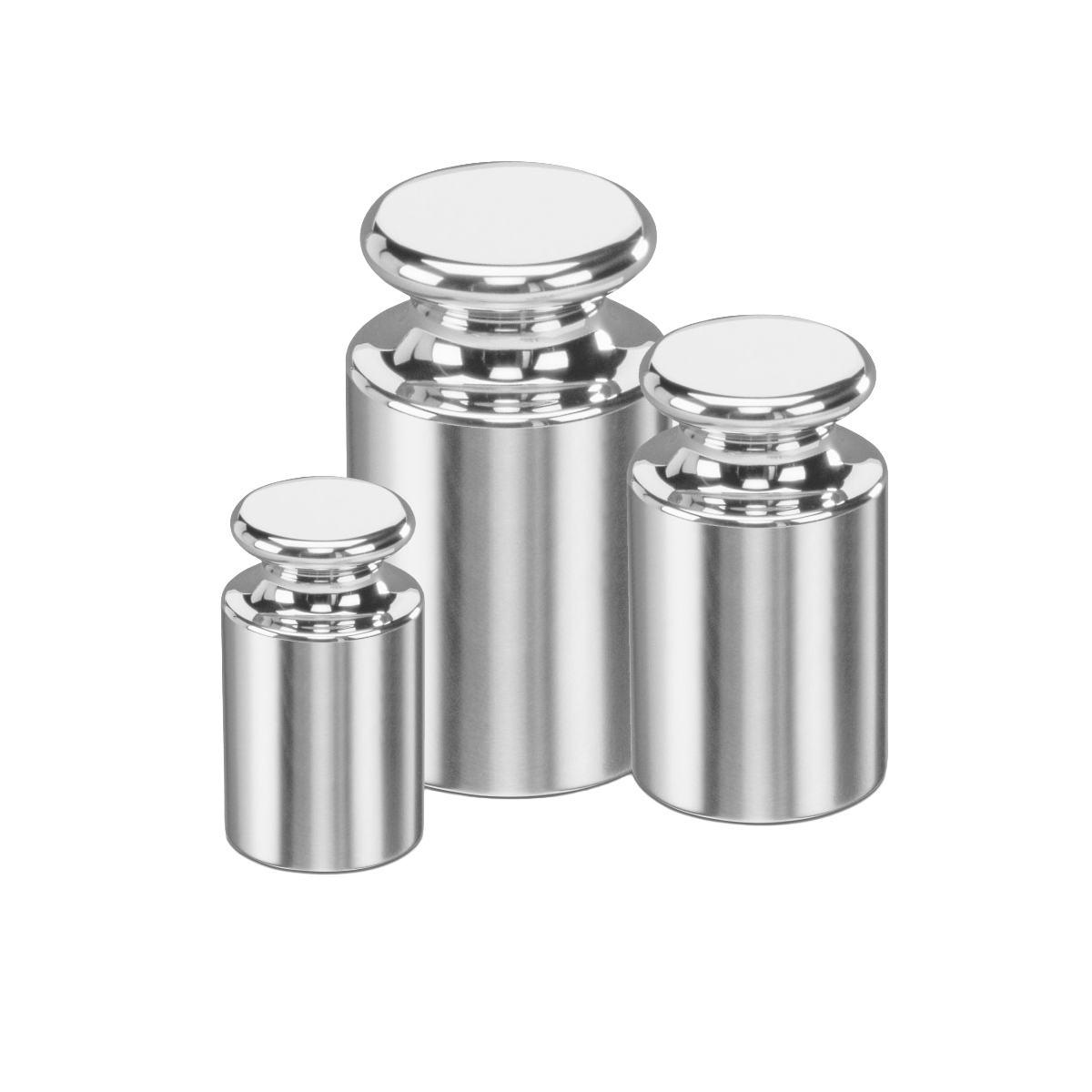
- Calibration options: Internal calibration (isoCAL/automatic) and external calibration with certified weights for audit-ready verification.
- GLP/GMP support: Time/date-stamped printouts, calibration records, and user IDs to document every weighing step.
- Connectivity: USB, RS-232, Ethernet or fieldbus interfaces for direct integration with LIMS, ELN, or ERP systems, reducing manual transcription errors.
- Mechanical protection: Overload and shock protection, robust housings, and optional draft shields for stable readings in challenging environments.
- User and method management: Password-protected profiles, access levels, and stored methods to ensure standardized operating procedures (SOPs).
These capabilities help maintain data integrity (ALCOA+), regulatory compliance (e.g., 21 CFR Part 11–ready systems), and consistent balance performance over the instrument’s lifetime.
Top Brands